





KOZHIKODE:
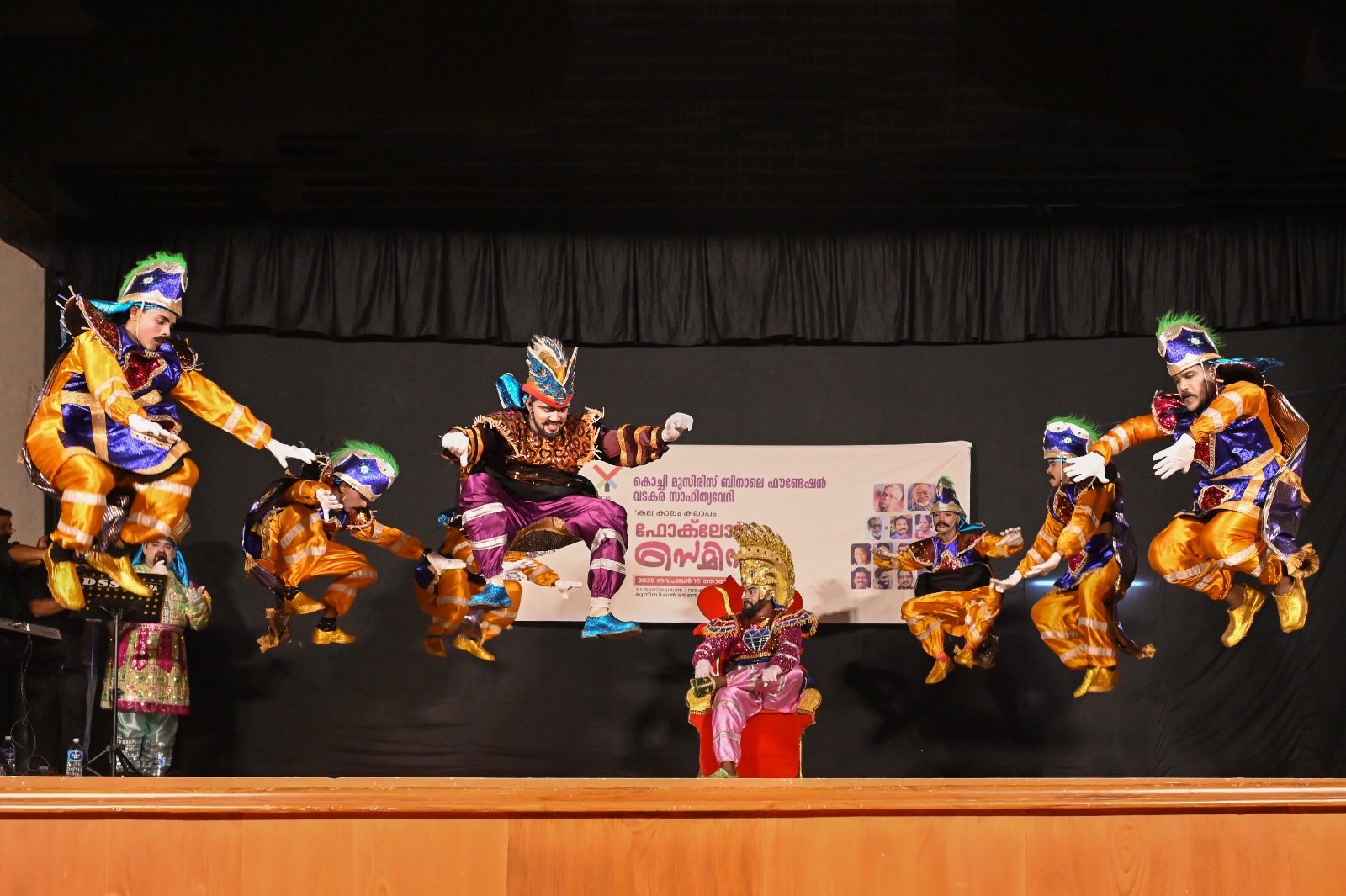
With its reputation as the birthplace of Kalaripayattu, North Malabar hosted for the first-ever time a full-length presentation of the ChavittuNadakam stomp-theatre known for its vibrant steps partly influenced by the ancient Kerala martial art.
The Kochi-origin performance tradition with Portuguese influence made its debut stage in Vadakara of this district, courtesy the Kochi Biennale Foundation (KBF), amid its efforts to create awareness about the state’s layered cultures over the millennia through people’s movements and global trade.
The people of Vadakara, which had been the capital of the erstwhile Kadathanad, where Kalaripayattu flourished for 600 years until the 18th century, had a rare chance to view the most celebrated Karalman Charitham play in the repertoire of Chavittunadakam. The art form, which is based on biblical stories and is practised by the Latin Catholic community from Kollam up to Chavakkad near Guruvayur, is the world’s only maritime theatre. Since the last decade, the art form has been part of state-level school youth festivals, where contestants stage 15-minute items.
On Sunday evening, as part of KBF’s Outreach programme in the run-up to the sixth edition of Kochi-Muziris Biennale (KMB-6) next month, the 80-minute presentation by a professional troupe was preceded by a lecture-demonstration of the 500-year-old art form. The two dozen artistes in the sing-and-dance team under Kurumbathuruth Yuva Kerala Chavittunataka Vedi of Ernakulam district were headed by veteran Georgekutty Ashan. The 20-minute introduction was led by researcher Keli Ramachandran, who is the curator of the Outreach programme, running in parallel to the KMB-6, slated to begin on December 12.
The team from Puthenvelikara, near North Paravur, is among a handful that have been playing a vital role in rejuvenating Chavittunadakam ever since it featured in the performance section of the first edition of KMB in 2012. At the Municipal Town Hall in Vadakara, the Kurumbathuruth troupe engaged two youngsters to demonstrate the most vital of the 14 basic steps of Chavittunadakam, initially developed by Tamil composer-choreographer Chinnathampi Annavi, who had reached Kochi from Tenkasi in the early 16th century. In the process of moulding the art form, Annavi scripted the lyrics in Chenthamizh, but his concepts about the costume and body movements were influenced by the Portuguese, who were ruling Kochi during the time (1503-1663).
The dance-steps went on to be set to the traditional rhythms of Kerala, pointed out Georgekutty, at the KBF’s Vadakara seminar on ‘Contemporary Folklore and Cultural Resistance’, under the Outreach series titled ‘Art…Time…Conflict’. The accompanying songs, during their recent renovation, gained popularity in Malayalam literature.
Ramachandran revealed that some of the energy-filled movements employed in ChavittuNadakam bear an unmistakable influence of Kalaripayattu. As for the martial art, its most revered precincts, located in the vintage Lokanarkavu temple, which is associated with the 16th-century folk hero Thacholi Othenan, who excelled in Kalari, are barely five kilometres east of Vadakara. The warrior’s Kurup family is central to the epic Vadakkan Pattu ballads.
The demo provided a glimpse of some of the fading songs in Chavittunadakam and presented a recorded ditty performed by Alappuzha Kuttan Asan. Ramachandran noted that ChavittuNadakam had certain scenes that carried a Buddhist ethos, tacitly referring to the historical spread of that religion in Kerala between the 3rd and 12th century CE.
Sunday’s Karalman Charitham was presented by a dozen actor-dancers led by young Roy Georgekutty as the protagonist. The 75-minute show, backed by prompters, vocalists, and instrumentalists on the keyboard and tabla, recounted a section of the valiant tale of Holy Roman Emperor Charlemagne (748-814 AD), who ruled the Carolingian Empire of Europe during the Early Middle Ages.
Earlier in the day, KMB President Bose Krishnamachari offered a glimpse into how politics shapes the arts of any time. “The exhibits at all new-art festivals bear a link with regional politics,” he noted as the chief guest at the opening ceremony.
KMB-6 has its artworks curated by Nikhil Chopra with HH Art Spaces, Goa. The show will be on till March 31, 2026. KBF is a 2010-registered non-profit charitable trust.


more recommended stories
KOCHI:The Kochi Biennale Foundation (KBF) has.
കൊച്ചി: പൈതൃകത്തിന്റെയും സംസ്ക്കാരങ്ങളുടെയും വൈവിധ്യങ്ങളുടെയും സമന്വയമായി മാറുകയാണ്.
KOCHI: The sixth edition of the.

കൊച്ചി: സമകാലീന കലാലോകത്തിന്റെ ആഗോളമാതൃക തൊട്ടുമുന്നില് നോക്കിക്കാണാനും.
KOCHI: The upcoming sixth edition of.
കൊച്ചി: അഴിമതിക്കെതിരെ പൊതുജനങ്ങളിൽ അവബോധം വളർത്തുന്നതിനായി സിഎംഎഫ്ആർഐ.
ഫോര്ട്ട് കൊച്ചിയും മട്ടാഞ്ചേരിയുമായി നടക്കുന്ന കൊലാറ്ററല്സ് പ്രോഗ്രാം.
KOCHI: The Collaterals programme of the.
KOZHIKODE: Rapid spread of consumerism is.

കൊച്ചി: കേരളത്തിൽ നിന്നുള്ള പ്രാദേശിക കലാകരന്മാർക്കായി കൊച്ചി.
