





NEW DELHI:
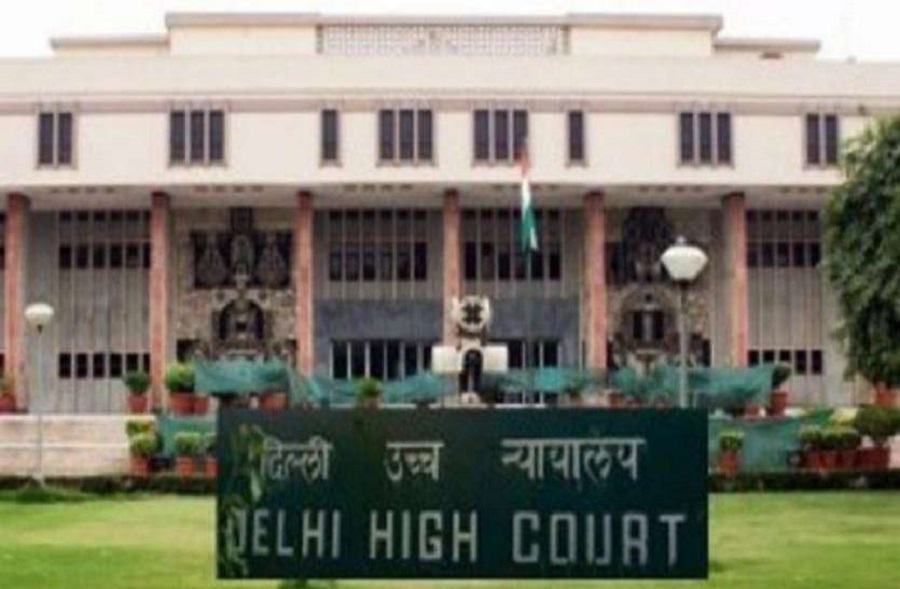
The Delhi High Court has held that both Indian citizens and non-citizens have access to the Right to Information (RTI), and to restrict that to non-citizens would be against both the RTI Act and the Indian Constitution.
AS Rawat, a Public Information Officer (PIO) employed by the Central Tibetan Schools Administration (CTSA), was presenting a case in court contesting the Central Information Commission’s (CIC) order slapping fine of Rs 2,500 on him.
Section 3 of the RTI Act, which states that “all citizens have the right to information,” must be seen as a positive affirmation of the right in favour of citizens rather than as a restriction on non-citizens, a single-judge bench of Justice Prathiba M. Singh said.
She said: “Creating an absolute bar (against non-citizens) would be contrary to the purpose and object of the RTI Act itself, and such an absolute bar cannot be read into the RTI Act.”
The court, nonetheless, made clear that the disclosure of information to non-citizens would depend on the kind of information sought and the recognition of the rights guaranteed to such class of persons under the Constitution of India.
“Whenever information is sought by non-citizens, considering that the rights conferred under Section 3 (RTI Act) is positively upon citizens, it would be on the discretion of the authorities to disclose such information or not,” the order stated.
The fine was imposed on Rawat because he withheld information from Dawa Tashi, a teacher who had asked for details on his confirmation letter and other advantages from the CTSA.
Because Tashi was a Tibetan national, the information was rejected to him by Rawat.
The CIC then declared Rawat’s behaviour to be mala fide and imposed fine on him in its order, which required him to provide the applicant with the information.
After reviewing the facts of the case and the provisions of the Right to Information Bill as well as the debates of the Parliamentary Committee on the RTI Act, Judge Singh observed that the terms “citizen,” “people,” and “persons” have been used interchangeably.
“The view of the Parliamentary Committee which discussed the Bill and favoured retention of the right only to citizens appears to have been based on a misconception that Fundamental Rights under the Constitution are only available to citizens, which was a wrong premise. Thus, this court is of the opinion that the Right to Information ought to be available to citizens and non-citizens depending upon the kind of information which is sought and the recognition of the rights guaranteed to such class of persons under the Constitution of India.”
While the court upheld the orders of the CIC regarding supply of point-wise information, it set aside the direction for imposition of penalty.


more recommended stories

AHMEDABAD: Showcasing visual splendours of ‘God’s.

AHMEDABAD:Several schools in Ahmedabad were placed.

DAVOS:Industry leaders and investors from across.

NEW DELHI:Citizens in 19 states can.

KOPPAL:A taluk hospital health officer has.

KOLKATA:Cold conditions continued unabated in West.

NEW DELHI:Delhi woke up to a.

NEW DELHI:The Ministry of Civil Aviation.
NEW DELHI:The Rajya Sabha on Friday.

PATNA:A woman teacher was allegedly shot.
