






By Dr. Kumar Muthukumar
Apollo Adlux Hospital,
Angamaly, Ernakulam.
A stroke is a medical emergency that can happen at any time, to anyone. Known as a “brain attack,” a stroke occurs when blood flow to a part of the brain is interrupted, either due to a blockage (ischemic stroke) or a ruptured blood vessel (hemorrhagic stroke). The sooner a stroke is recognized and treated, the better the chances of survival and recovery. Time is of the essence, and knowing how to identify the symptoms quickly can truly save lives. A stroke happens when the brain is deprived of oxygen and nutrients due to reduced blood flow, causing brain cells to die within minutes.
Ischemic Stroke: This is the most common type, accounting for about 87% of all strokes. It is caused by a blood clot blocking an artery in the brain.
Hemorrhagic Stroke: This occurs when a blood vessel in the brain bursts, leading to bleeding and pressure on brain tissues.
Another condition to be aware of is a Transient Ischemic Attack (TIA), also called a “mini- stroke.” TIAs cause temporary stroke-like symptoms but do not result in permanent damage. However, they are serious warning signs and should not be ignored, as they indicate an increased risk of a major stroke.
Recognizing the Symptoms: Think F.A.S.T.
Recognizing a stroke early is critical, and the F.A.S.T. method is an easy way to remember the signs:
Face: Is one side of the face drooping? Ask the person to smile and see if one side is lower.
Arms: Can the person lift both arms? Watch for weakness or drifting in one arm.
Speech: Is their speech slurred or hard to understand? Ask them to repeat a simple phrase.
Time: If any of these signs are present, time is critical. Call emergency services immediately.
In addition to these symptoms, strokes can also present with sudden confusion, difficulty understanding speech, vision problems, numbness or weakness on one side of the body, severe headache, and dizziness or loss of balance. If any of these symptoms appear suddenly, it’s crucial to seek immediate medical help.
Why Acting Fast is Crucial
Every minute counts during a stroke. The brain is incredibly sensitive to a lack of oxygen, and the longer a stroke goes undressed, the lesser the threat of endless brain damage or death.
Quick treatment, such as clot-busting medication for ischemic strokes, can help restore blood flow and prevent further damage. This treatment is most effective when given within the first few hours of the onset of symptoms, making immediate action vital.
Risk Factors and Prevention
Certain factors increase the risk of stroke, including high blood pressure, smoking, diabetes, and a sedentary lifestyle. Age, family history, and previous strokes or TIAs also raise the likelihood of experiencing a stroke. Prevention involves controlling these risk factors by maintaining a healthy lifestyle, regular exercise, quitting smoking, and managing medical conditions like high blood pressure and diabetes.
Recognizing the signs of a stroke and acting quickly can mean the difference between life and death, or between a full recovery and long-term disability. By learning to think F.A.S.T., we can help ensure that stroke victims receive the urgent medical attention they need. Remember, when it comes to strokes, time is brain—the faster the response, the better the outcome.


more recommended stories

THIRUVANANTHAPURAM:A recent research, published by scientists.

THIRUVANANTHAPURAM:Ramping up Kerala’s position as the.

KOCHI: Indian Myeloma Congress 2026, a.

KOZHIKODE: myHart Starcare ,Calicut has successfully.
KOCHI:Amrita Hospital, Kochi will serve as.

By Dr. Joseph Sunny Kunnacherry –.
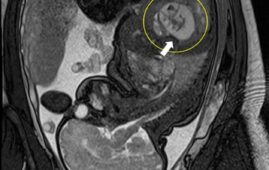
KOCHI:Amrita Hospital, Kochi have successfully performed.
KOCHI:The Physical Medicine and Rehabilitation (PMR).

MUMBAI:Every mother remembers the magic of.

കൊച്ചി : കുട്ടികളിൽ കാണപ്പെടുന്ന പ്രധാന വാസ്കുലൈറ്റിസുകളില്.
